Singapura Cat Breeds Guide
Understanding the Singapura: More Than Just a Tiny Tiger
The Singapura, with its captivatingly small size and uniquely ticked coat, often evokes images of a miniature tiger. But there’s so much more to this breed than just its striking appearance. It’s a breed steeped in mystery, with its origins shrouded in some debate, adding to its allure for cat enthusiasts worldwide. The Singapura’s history is fascinating, weaving tales of its discovery in the bustling streets of Singapore, hence its name, and its subsequent journey to becoming a recognized breed. Its gentle nature and playful personality are just as captivating as its looks, making it a beloved companion for many.
This small size is one of the breed’s defining characteristics, contributing to its endearing charm. They’re often described as being surprisingly agile and athletic for their size, capable of impressive leaps and bounds despite their petite stature. Their compact bodies are perfectly proportioned, with a slightly elongated torso and a surprisingly muscular build. This gives them a sense of strength and resilience that belies their delicate appearance.
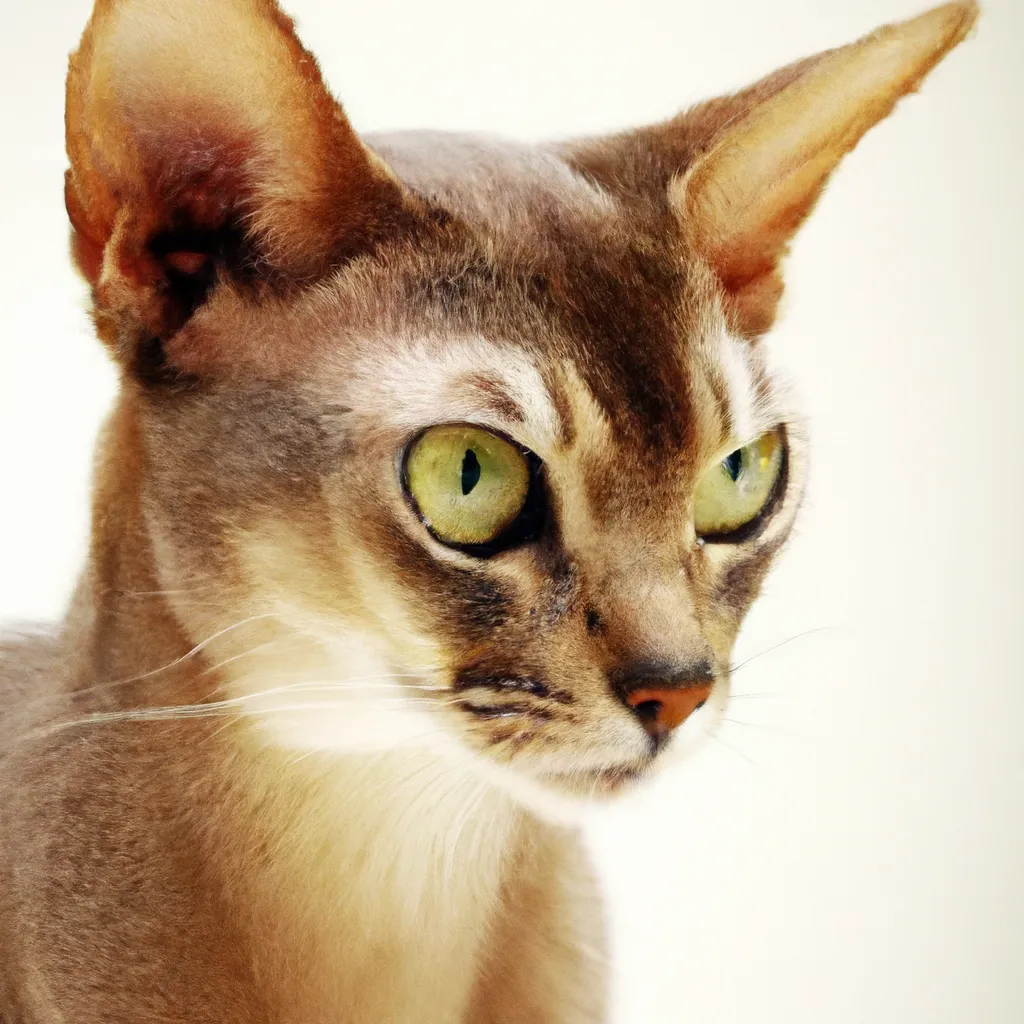
The Singapura’s temperament is a significant part of its appeal. They are known for their affectionate and playful nature, often described as being very social and interactive with their human companions. They’re not just cuddly lap cats; they enjoy engaging in playful activities, and their intelligence makes them eager participants in training and interactive games. Their curiosity and alertness make them engaging companions, always ready to explore their surroundings and participate in family life. Their intelligence also means they can be quite mischievous, so a stimulating environment is essential to keep them happy and prevent boredom.
The Singapura’s Unique Coat and Coloring: A Closer Look
The Singapura’s coat is another distinctive feature that sets it apart from other breeds. It’s short and fine, with a unique ticked tabby pattern that gives it a distinctive appearance. This ticking is a result of each individual hair being banded with different shades of color, creating a subtle yet captivating visual effect. The overall effect is a coat that appears to shimmer and change subtly in different lights, adding to its overall beauty.
The color of the Singapura’s coat is typically a warm sepia or sandy tone, often described as being reminiscent of the color of warm sand. This base color is complemented by darker points on the face, ears, and tail, which further enhance the ticked tabby pattern. The overall effect is a beautifully balanced and harmonious color scheme that complements the cat’s small and elegant frame. The color variation within the breed is quite limited, contributing to its overall uniformity and breed standard.
Maintaining the Singapura’s coat is relatively straightforward. Regular brushing is recommended to remove loose hair and prevent matting, but their short, fine coat doesn’t require excessive grooming. This makes them a relatively low-maintenance breed in terms of coat care, appealing to those who prefer a less demanding grooming routine. Their coat is also naturally resistant to matting, simplifying the maintenance even further. This ease of care is a significant advantage for busy individuals or those who may not have extensive grooming experience.
Health Considerations and Lifespan of the Singapura
Like all breeds, the Singapura is susceptible to certain health concerns, although generally, they are considered to be a relatively healthy breed. Responsible breeders prioritize health testing to minimize the risk of genetic disorders. Understanding these potential health issues is crucial for prospective owners, enabling them to make informed decisions and provide appropriate care. Early detection and proactive veterinary care are key to managing any potential health problems.
One health concern to be aware of is hypertrophic cardiomyopathy (HCM), a condition affecting the heart muscle. HCM can occur in various breeds, and responsible breeders screen their cats to reduce the risk of passing this condition on to offspring. Regular veterinary checkups are essential for early detection and management of HCM. Early detection of HCM is vital, as timely intervention can significantly improve the cat’s quality of life.
Another potential health concern for the Singapura is progressive retinal atrophy (PRA), a degenerative eye disease that can lead to blindness. Again, responsible breeders conduct genetic testing to screen for PRA and minimize its prevalence within the breed. Owners should be vigilant for any changes in their cat’s vision and seek veterinary advice if any concerns arise. Early diagnosis and management of PRA can help slow the progression of the disease and improve the cat’s quality of life. Careful monitoring of the cat’s behavior, such as difficulties navigating in familiar surroundings, is crucial in the early detection of PRA.
The average lifespan of a Singapura is typically between 13 and 15 years, but with proper care and attention, they can live even longer. A healthy diet, regular veterinary checkups, and a stimulating environment all contribute to a long and healthy life for your Singapura. Providing a loving and supportive home is essential to ensuring your Singapura thrives and enjoys a long and fulfilling life. A well-balanced diet that caters to their specific needs and regular exercise contribute significantly to their overall health and longevity. Regular veterinary check-ups allow for early detection and treatment of any health issues, maximizing their lifespan.
Choosing a Responsible Singapura Breeder
Finding a responsible breeder is paramount when acquiring a Singapura kitten. A reputable breeder prioritizes the health and well-being of their cats, conducting thorough health testing and screening to minimize the risk of genetic disorders. They will also be knowledgeable about the breed standard and dedicated to preserving the breed’s unique characteristics. Don’t be afraid to ask questions and thoroughly investigate the breeder before making a commitment.
Responsible breeders are open and transparent about their breeding practices and the health history of their cats. They should be happy to answer your questions and provide you with all the information you need to make an informed decision. They will also be invested in the long-term well-being of their kittens, offering ongoing support and guidance to new owners. They’ll often maintain contact with new owners, offering advice and support throughout the cat’s life.
Avoid breeders who prioritize profit over the well-being of their cats. Red flags include breeders who are unwilling to provide health testing information or who sell kittens through online marketplaces without proper vetting. A responsible breeder will carefully match kittens with suitable homes, ensuring that each kitten finds a loving and supportive environment. They will take the time to get to know potential owners, ensuring a good fit for both the cat and the family. This careful selection process is crucial for the long-term well-being of the kittens.
Living with a Singapura: Enrichment and Care
The Singapura’s playful and intelligent nature demands a stimulating environment to prevent boredom and ensure their well-being. Providing interactive toys, climbing structures, and puzzle feeders can keep them mentally and physically engaged. This prevents behavioral problems that can arise from boredom or lack of stimulation. Enrichment is key to preventing destructive behaviors and promoting a happy and well-adjusted cat.
Regular playtime is essential for maintaining a Singapura’s physical and mental health. Interactive games, such as chasing toys or playing with feather wands, can provide excellent exercise and mental stimulation. These playful interactions strengthen the bond between you and your Singapura, fostering a loving and trusting relationship. Remember, a happy Singapura is an active Singapura.
Beyond playtime, providing a safe and comfortable environment is crucial. This includes providing a clean litter box, fresh water, and a comfortable sleeping area. Regular grooming, as previously mentioned, is also important for maintaining their coat’s health and shine. Creating a safe and enriching environment promotes a happy and healthy Singapura, leading to a fulfilling relationship for both the cat and the owner. Their small size means they can easily fit into smaller spaces, making them adaptable to various living situations.