Siberian Cat Breeds Explained
Siberian cats, with their luxurious coats and captivating eyes, have captivated cat lovers worldwide. But beyond their stunning appearance lies a rich history and a fascinating breed standard. Understanding these nuances is key to truly appreciating these magnificent felines.
The Siberian cat’s origins are shrouded in mystery, adding to their allure. While precise records are scarce, it’s widely believed that these cats have inhabited the Siberian region of Russia for centuries, perhaps even millennia. Their hardiness, developed over generations in a harsh climate, is a testament to their resilience.
These cats weren’t selectively bred in the same way as many modern breeds. Instead, their characteristics were shaped by natural selection, favoring those individuals best suited to survive the extreme cold and challenging conditions. This natural evolution has resulted in a breed with a unique set of traits, both physically and temperamentally. Their thick, triple-layered coats provide exceptional insulation against freezing temperatures, while their robust bodies are well-equipped to withstand harsh winters. This natural selection process also likely contributed to their generally good health and resistance to certain feline illnesses, a trait that continues to be a significant factor in their popularity. The lack of deliberate human intervention in their early history contributes to their robust genetic pool and relative freedom from many inherited health problems that plague some more intensely inbred breeds.
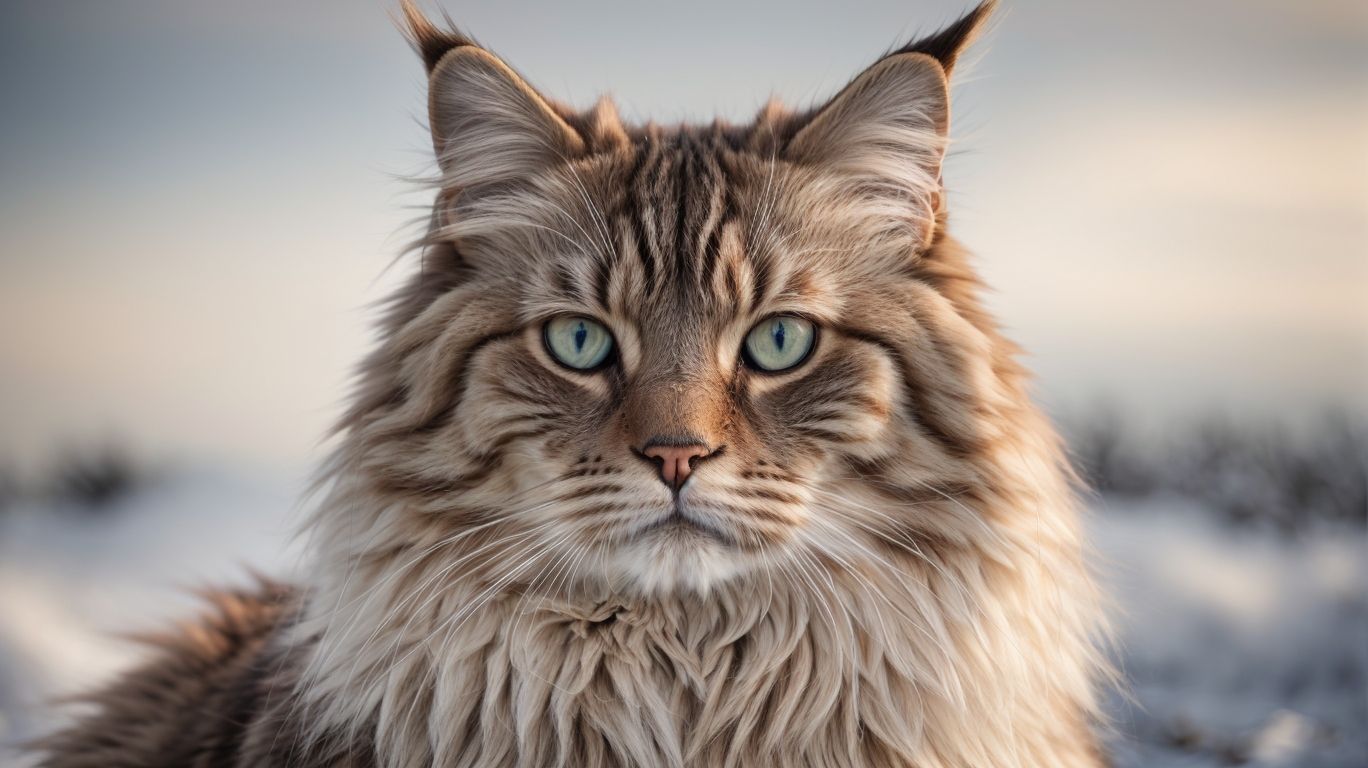
The Siberian’s thick, plush coat is perhaps its most striking feature. It’s not just visually appealing; it’s also incredibly functional. The triple-layered coat consists of a dense undercoat, a woolly mid-coat, and a long, luxurious outer coat. This intricate structure provides exceptional warmth and protection against the elements. The coat’s texture varies, ranging from silky to slightly coarser, depending on the individual cat. Grooming needs are moderate, though regular brushing is recommended, especially during shedding seasons, to prevent matting and keep the coat looking its best. The variations in coat texture contribute to the breed’s overall charm and contribute to the unique look of each individual cat. Many owners enjoy the therapeutic process of grooming their Siberians, finding it a relaxing and bonding experience for both cat and owner.
Beyond their stunning coats, Siberian cats possess a unique set of physical characteristics. Their bodies are generally large and muscular, with strong legs and broad chests. Their heads are rounded, with large, expressive eyes that come in a variety of colors, including green, blue, gold, and variations thereof. The ears are medium-sized and slightly rounded at the tips, adding to their overall soft appearance. Their tails are long and bushy, further enhancing their majestic look. The combination of these physical traits creates a powerfully built yet graceful cat, a testament to their natural hardiness and adaptability. The size and build of the Siberian cat make them surprisingly strong and agile, a legacy of their ancestors’ need to navigate challenging terrain and hunt for sustenance in the harsh Siberian wilderness. Their robust constitution contributes to their longevity and overall health, making them a relatively low-maintenance breed compared to some others.
The temperament of a Siberian cat is as captivating as its appearance. They are known for their affectionate and playful personalities. Siberians are often described as "dog-like" in their devotion and loyalty to their owners. They are highly intelligent and readily learn tricks, making them engaging companions. They are also known for their gentle nature, making them suitable for families with children. Siberian cats are generally quite social and enjoy interacting with their human companions and often other animals in the home. Many owners report that their Siberians are remarkably adaptable and tolerant of a wide range of environments and situations. Their inherent friendliness makes them excellent pets for individuals, families, or even those with multiple pets.
Their intelligence shines through in their playful interactions. Siberians are known for their curiosity and love of exploration. They enjoy interactive games and puzzles, demonstrating a remarkable capacity for problem-solving. Their playful nature extends beyond simple chasing games; they often engage in more complex activities, demonstrating a level of intelligence that surpasses many other breeds. This intelligence, combined with their affectionate personalities, makes them truly rewarding companions. Training a Siberian cat can be a fun and enriching experience for both the cat and its owner, strengthening the bond between them and providing mental stimulation for the intelligent feline. Their innate curiosity often leads them to explore their surroundings with a playful inquisitiveness, making them endlessly fascinating to observe.
Siberian cats are relatively healthy compared to many other breeds. Their robust genetic background, shaped by natural selection, contributes to their resilience. However, like all breeds, they can be prone to certain health issues. Responsible breeders carefully screen their breeding cats to minimize the risk of hereditary problems. Potential owners should always research reputable breeders and ask about the health history of the parents. Understanding potential health concerns allows owners to be proactive in maintaining their cat’s well-being. Regular veterinary check-ups are essential for early detection and treatment of any health issues that may arise. Responsible ownership involves educating oneself about the breed’s specific vulnerabilities and taking preventative measures to ensure a long and healthy life for the cat.
The hypoallergenic nature of Siberian cats is often cited as a major draw for potential owners. While no cat is truly 100% hypoallergenic, Siberians produce significantly less Fel d 1, the primary allergen in cat saliva and dander. This reduced allergen production makes them a better choice for individuals with cat allergies, though it’s crucial to remember that reactions can still occur. It’s essential to spend time with a Siberian cat before committing to ownership to gauge individual tolerance. Many allergy sufferers find that they experience milder or less frequent reactions to Siberians compared to other breeds. The reduced allergen production is attributed to a genetic mutation that affects the production of Fel d 1, a characteristic that has made the breed particularly appealing to allergy-sensitive individuals.
Finding a reputable Siberian cat breeder is crucial to ensuring you acquire a healthy and well-adjusted kitten. Research is key; don’t rush into a purchase. Look for breeders who prioritize the health and temperament of their cats, conduct thorough health screenings, and are transparent about their breeding practices. A reputable breeder will be happy to answer your questions and provide you with information about the kitten’s lineage and health history. Visiting the cattery to meet the parents and observe the kittens’ environment is highly recommended. A responsible breeder will be passionate about the breed and dedicated to placing their kittens in loving homes. The relationship with a reputable breeder often extends beyond the initial purchase, with ongoing support and advice readily available.
The cost of a Siberian kitten varies depending on the breeder, the kitten’s lineage, and its specific characteristics. Be prepared for a significant investment; high-quality Siberian cats from reputable breeders are not inexpensive. However, the cost reflects the breeder’s commitment to health testing, responsible breeding practices, and the overall well-being of their cats. The cost of ownership extends beyond the initial purchase price; factor in ongoing expenses such as food, veterinary care, grooming, and toys. Responsible ownership requires a commitment to providing your Siberian cat with the best possible care throughout its life. The initial investment in a well-bred kitten is often considered worthwhile given the companionship and joy these cats bring to their owners for many years to come.