Siamese Cat Breeds Guide
Siamese cats, with their striking blue almond-shaped eyes and distinctive pointed coloration, have captivated cat lovers for centuries. Their elegant appearance and playful personalities have cemented their place as one of the most popular cat breeds globally. But the term "Siamese" encompasses more than just one type of cat. Understanding the nuances within the Siamese family, including the different variations and their unique characteristics, is crucial for anyone considering welcoming one of these captivating felines into their home.
Understanding the Traditional Siamese
The original Siamese cat, the foundation upon which all modern variations are built, possessed a specific set of characteristics. These classic Siamese cats, often referred to as the "old-style" or "traditional" Siamese, were leaner and more angular than their modern counterparts.
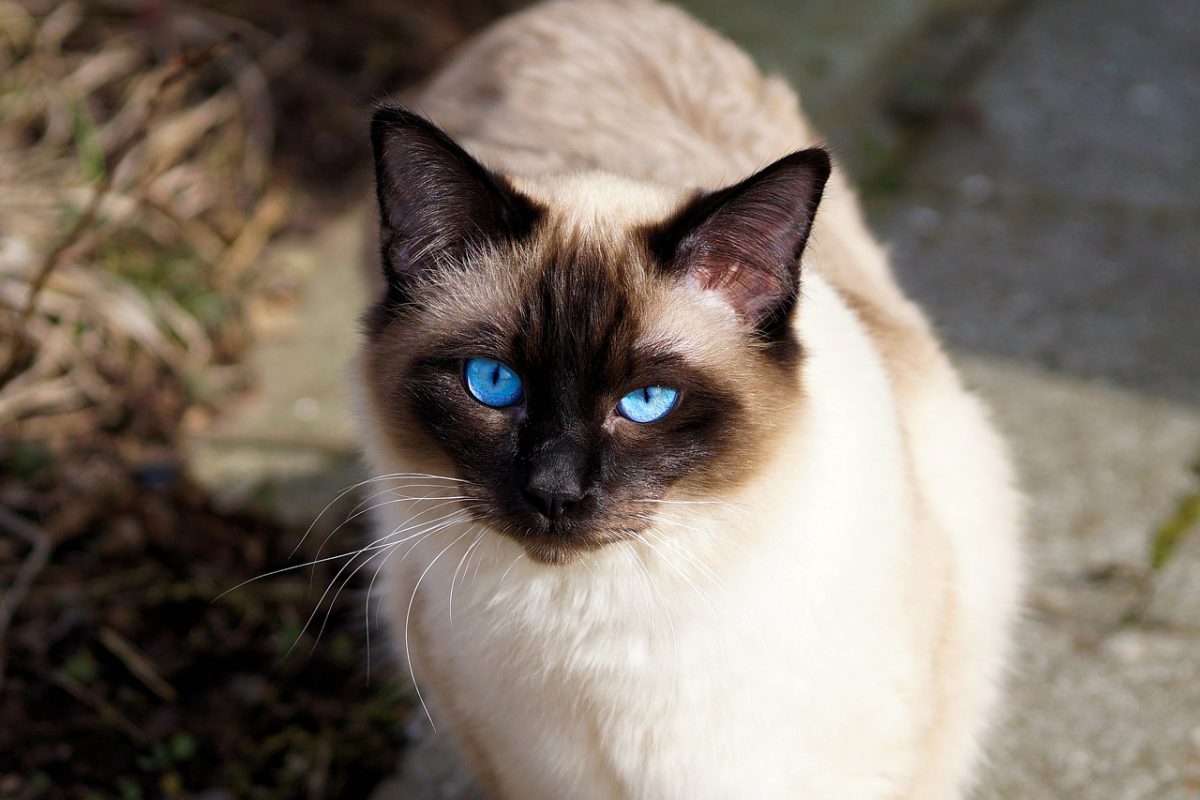
Their coats were a rich, deep color, usually seal point (a dark brown), chocolate point, blue point, or lilac point. The "points," which refer to the darker coloration on the extremities (face, ears, paws, and tail), were intensely saturated against a creamy, almost ivory, body.
This striking contrast in coloration, along with their distinctive blue eyes and wedge-shaped head, created a truly unforgettable appearance. The temperament of these original Siamese was also quite distinct, known for their vocal nature and their strong bond with their human companions. They were intelligent, demanding attention and often engaging in playful antics to keep their owners entertained.
These cats weren’t just beautiful; they possessed a captivating personality. They were incredibly loyal and affectionate, forming strong bonds with their chosen humans. This unwavering devotion often manifested in a constant desire for interaction, whether it be through playful games or simply cuddling on the lap of their favorite person.
Beyond their loyalty, traditional Siamese cats are known for their intelligence and inquisitiveness. This often translates into a mischievous streak, as they’re always eager to explore their surroundings and get into a little bit of trouble. Their intelligence also makes them relatively easy to train, responding well to positive reinforcement techniques. Many owners report that their traditional Siamese cats can learn tricks and commands with surprising ease.
However, it’s important to acknowledge that their vocal nature is a defining trait. These cats are not shy about expressing their needs and desires through a range of meows, chirps, and trills. While some owners find this vocalization endearing, others might find it a bit overwhelming. Understanding this aspect of their personality is key to ensuring a harmonious relationship.
The Evolution of Siamese: Modern Variations
Over time, breeders began to selectively breed Siamese cats, leading to the development of several variations. These modern Siamese often differ from their traditional counterparts in terms of body type, coat coloration, and even temperament.
One significant change is the body structure. Modern Siamese cats tend to be more muscular and stockier than their leaner ancestors. This change in physique is a result of intentional breeding aimed at achieving a more robust and visually appealing cat. While the elegant grace of the traditional Siamese remains, the modern variations often project a slightly more substantial presence.
The coat coloration also underwent changes. While the classic points remain, the intensity and shade of the colors have been refined through selective breeding. New point colors, such as red point and cream point, emerged, adding to the already diverse palette of Siamese coat variations.
Furthermore, the temperament of modern Siamese cats can vary slightly from the traditional type. While they generally retain their intelligence and affectionate nature, some variations might be less vocal or more independent than their predecessors. It’s crucial to research specific variations to understand their potential personality traits before bringing one home. Understanding the nuances of each variation allows for a more informed decision-making process when choosing a Siamese cat.
The subtle differences in temperament can be attributed to various factors, including the specific breeding lines and the individual cat’s personality. Some modern Siamese might be more playful and energetic, while others might be more laid-back and content to spend time lounging around. This diversity makes it all the more important to meet potential pets in person and observe their individual personalities. A responsible breeder will be able to provide insight into the typical temperament of their kittens.
The emergence of these variations has not diminished the popularity of Siamese cats. Instead, it has expanded the appeal of the breed, offering a wider range of choices for potential owners. Whether you prefer the classic elegance of a traditional Siamese or the robust build of a modern variation, there’s a Siamese cat waiting to steal your heart.
Beyond the Basics: Exploring Other Siamese Types
While the traditional and modern Siamese are the most commonly known, several other variations exist, each with its unique characteristics. These variations often arise from crossbreeding with other breeds or through selective breeding for specific traits.
One example is the Himalayan cat, often mistaken for a long-haired Siamese. Himalayans possess the same striking point coloration as Siamese cats but with a longer, luxurious coat. This longer hair adds a touch of elegance and softness to their already captivating appearance. The temperament of Himalayans generally mirrors that of Siamese cats – intelligent, affectionate, and sometimes quite vocal. Understanding this distinction is important, as the Himalayan is a distinct breed, not merely a long-haired Siamese.
Other variations, though less prevalent, showcase further diversity within the Siamese family. These might include cats with subtle variations in point coloration or body type, resulting from specific breeding programs. Some breeders focus on maintaining the original characteristics of the traditional Siamese, while others continue to explore new variations, adding to the richness of the breed. Researching these less common variations can uncover hidden gems, offering unique opportunities to find a Siamese cat that perfectly matches your preferences.
The diversity within the Siamese family extends beyond just appearance and temperament. Health considerations also vary slightly depending on the specific variation. Some variations might be prone to certain genetic health issues, while others exhibit greater resilience. Responsible breeders are aware of these potential health concerns and take steps to minimize the risk by carefully selecting breeding pairs. Thorough research into the health history of a particular lineage is essential when selecting a Siamese kitten.
This exploration of the various Siamese types emphasizes the importance of careful research and responsible breeding practices. Understanding the nuances of each variation – from their physical characteristics to their temperament and health predispositions – empowers potential owners to make informed decisions. Choosing a Siamese cat should be a well-considered process, ensuring a harmonious and enriching relationship for both the cat and its human companion.
Choosing Your Perfect Siamese Companion
Selecting a Siamese cat should be a thoughtful process, focusing on finding a cat whose personality and needs align with your lifestyle and living situation. It’s not just about finding a beautiful cat; it’s about finding a lifelong companion.
Consider your lifestyle. Are you an active individual who spends much time outdoors, or do you prefer a more relaxed homebody lifestyle? Siamese cats are intelligent and active, requiring regular engagement and mental stimulation. An active owner might find a Siamese cat’s playful nature a perfect match, while a more sedentary lifestyle might require a slightly less demanding breed. This self-assessment is crucial to avoid potential compatibility issues.
Research breeders carefully. A responsible breeder will prioritize the health and well-being of their cats, conducting health screenings and ensuring proper socialization. They should be knowledgeable about the breed’s characteristics and be able to answer your questions thoroughly. Avoid breeders who prioritize profit over the welfare of their animals. A responsible breeder will be more than happy to discuss their breeding practices and the individual characteristics of their kittens.
Meet the kittens in person. Observing the kittens’ interactions with each other and with humans provides invaluable insight into their individual personalities. Some kittens might be more outgoing and playful, while others might be more shy and reserved. This observation allows you to choose a kitten whose temperament best suits your preferences. Spending time with potential companions is an essential step in finding the perfect match.
Beyond the kitten’s personality, consider your home environment. Do you have other pets? Children? Siamese cats can be very affectionate but also require mental stimulation and attention. If you have other pets, ensure that the introduction is gradual and supervised. If you have children, ensure that they understand how to interact respectfully with a cat. This careful consideration ensures a smooth transition and a happy home for your new companion.
Caring for Your Siamese Cat
Once you’ve welcomed a Siamese cat into your home, providing proper care is crucial for their health and happiness. This involves a combination of proper nutrition, regular grooming, and veterinary care.
Nutrition plays a vital role in maintaining your Siamese cat’s health. Choose a high-quality cat food that meets their nutritional needs, considering their age and activity level. Consult your veterinarian for recommendations on the best diet for your cat. Providing fresh water at all times is also essential for hydration. A balanced diet contributes significantly to your cat’s overall well-being.
Grooming is relatively straightforward for Siamese cats, given their short coat. Regular brushing helps remove loose hair and prevents matting. Their short coat requires less frequent grooming than many other breeds, but regular brushing still contributes to a healthy and shiny coat. This simple grooming routine keeps your Siamese looking their best and prevents hairballs.
Regular veterinary check-ups are essential for preventing and detecting potential health problems. Siamese cats are generally healthy, but like all breeds, they can be prone to certain genetic conditions. Regular check-ups allow your veterinarian to monitor their health and address any issues promptly. Preventative care is key to ensuring a long and healthy life for your feline companion. These routine check-ups also offer an opportunity to discuss any behavioral concerns or questions about your cat’s care.
Beyond these fundamental aspects of care, remember that your Siamese cat needs mental stimulation and enrichment. Provide plenty of toys, scratching posts, and opportunities for play. Siamese cats are intelligent and active, and boredom can lead to behavioral problems. Interactive play sessions and puzzle feeders provide mental stimulation and prevent destructive behaviors. A happy and stimulated cat is a well-adjusted cat.