Serengeti Cat Breeds Guide
Understanding the Serengeti Cat: A Breed Overview
The Serengeti cat, a relatively new breed, captivates with its striking resemblance to a miniature serval. It’s a truly unique feline, a testament to careful and dedicated breeding programs.
Their spotted coat, reminiscent of the African savanna, is a major draw for cat lovers. The elegant, athletic build adds to their wild allure, making them a fascinating breed to study and appreciate.
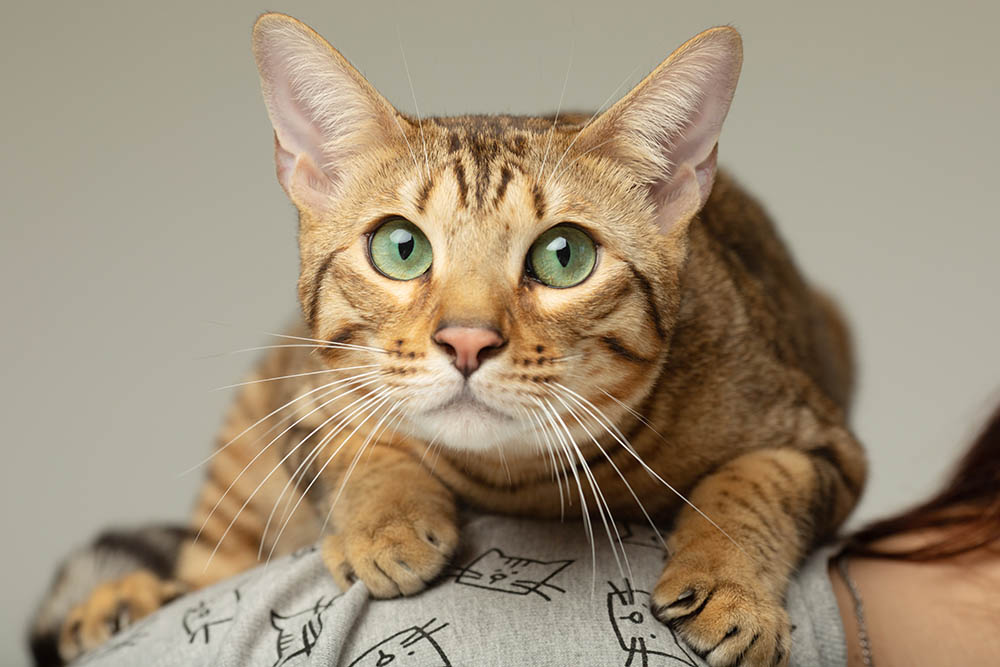
This breed isn’t simply about looks, though. Serengetis possess a charming personality, often described as playful, affectionate, and surprisingly dog-like in their loyalty and attentiveness to their human companions. They’re known for their intelligence and willingness to learn tricks, adding another layer to their endearing nature.
The Serengeti’s history is a compelling story in itself. Developed through a cross between an Oriental Shorthair and a Bengal cat, this breed is a result of meticulous planning and a desire to create a cat that combines the best traits of both parent breeds. The result is a stunning creature with a unique blend of characteristics.
The breeding process was lengthy and involved, requiring careful selection of breeding pairs to achieve the desired physical attributes and temperament. This dedication to preserving the breed’s distinct characteristics is a testament to the breeders’ commitment and passion.
One of the most interesting aspects of the Serengeti is its relatively recent emergence as a recognized breed. Compared to many established breeds, the Serengeti has a shorter history, making its development and recognition all the more remarkable.
Their striking appearance, combined with their amiable personality, has quickly gained them a devoted following among cat enthusiasts worldwide. This rapid rise in popularity is a testament to the breed’s unique appeal. It’s not just a pretty face; the Serengeti cat offers a rewarding companionship.
The Serengeti’s unique characteristics, combined with its relatively recent emergence, make it a fascinating subject for any cat lover. Its history, physical traits, and temperament all contribute to its distinct charm.
The Serengeti’s Physical Characteristics: A Closer Look
The Serengeti’s most striking feature is undoubtedly its coat. The spotted pattern, reminiscent of its namesake savanna, varies in intensity and markings, contributing to the breed’s unique individuality. No two Serengeti cats are exactly alike, ensuring a diverse and captivating range of appearances.
The spots themselves are typically dark brown or black, set against a background coat that can range from golden to tawny. This color variation adds to the breed’s overall appeal, giving each cat a distinctive and eye-catching look. The coat is short and sleek, easy to care for and maintain.
Beyond the coat, the Serengeti boasts a lean and muscular build, reflecting its active and playful nature. They are graceful and agile, capable of impressive leaps and bounds, reflecting their wild ancestry. Their slender bodies are perfectly suited to their athleticism.
Their large, expressive eyes are another captivating feature. Typically golden or green, these eyes add to their wild, exotic appearance. The almond shape of the eyes further enhances their striking gaze.
The Serengeti’s ears are also noteworthy. Large and slightly pointed, they add to the overall impression of elegance and alertness. Their ears are often described as being proportionately large for their head size, accentuating their wild appearance.
Their long, slender legs and powerful build are further indicators of their agility and athleticism. These physical traits are a result of careful breeding, designed to enhance their unique characteristics. They are built for movement and playfulness.
The overall impression is one of elegance and wild beauty, a perfect blend of domestic charm and untamed grace. This combination of physical attributes is what makes the Serengeti such a unique and captivating breed. Their appearance is truly mesmerizing.
Their physical characteristics are not just aesthetically pleasing; they also reflect their personality and behavior. The lean build suggests an active and playful disposition, while the large eyes hint at intelligence and alertness. The overall impression is one of a sophisticated and energetic feline.
Understanding the Serengeti’s physical characteristics gives us a deeper appreciation for this remarkable breed. It’s more than just a pretty face; it’s a reflection of its unique history and carefully selected lineage.
Serengeti Cat Temperament and Personality: A Joyful Companion
The Serengeti’s temperament is as captivating as its appearance. They are known for their playful and affectionate nature, often described as being more dog-like than cat-like in their loyalty and devotion to their owners. They crave attention and interaction, thriving in active households.
Unlike some breeds that are content to lounge around, the Serengeti is energetic and inquisitive. They are always eager for a game of fetch or a playful chase, and their intelligence makes them quick learners. This makes them a fantastic companion for active individuals or families with children.
Their intelligence is another remarkable trait. They are easily trained to perform tricks and respond to commands, adding a unique dimension to their companionship. This intelligence, combined with their playful nature, makes them highly engaging pets.
They bond strongly with their human companions, often displaying an unusual level of affection and loyalty. This deep bond is one of the reasons why many Serengeti owners describe them as their best friends. It’s a truly special relationship.
Despite their playful nature, Serengetis are also known for their gentle and calm demeanor. While they are energetic, they are not overly boisterous or destructive, making them suitable for a variety of living situations. They are adaptable and well-behaved.
Their adaptability extends to their surroundings. While they appreciate a stimulating environment, they are generally well-adjusted and can adapt to different living situations. They are not particularly demanding cats, making them relatively easy to care for.
However, it’s important to remember that each cat has its own unique personality. While the breed is generally known for its friendly and playful nature, individual cats may display variations in temperament. Early socialization is key to ensuring a well-adjusted and happy Serengeti.
Potential owners should be prepared to dedicate time to playing and interacting with their Serengeti cat. Their playful nature requires engagement, and a lack of interaction could lead to behavioral issues. Regular playtime is essential for their well-being.
Understanding the Serengeti’s temperament is crucial for potential owners. Their unique blend of playfulness, intelligence, and affection makes them truly special companions, but responsible ownership requires commitment and understanding. Choosing a Serengeti is a commitment to a lifelong friendship.
Caring for Your Serengeti: Health, Grooming, and Diet
Caring for a Serengeti cat involves understanding their specific needs regarding health, grooming, and diet. Regular veterinary check-ups are crucial for early detection and prevention of potential health problems. Just like any breed, Serengetis can be prone to certain health issues.
While generally healthy, responsible breeders screen for potential genetic issues. This proactive approach helps to minimize the risk of hereditary health problems in the breed. Choosing a reputable breeder is essential for ensuring a healthy kitten.
Grooming a Serengeti is relatively straightforward due to their short, sleek coat. Regular brushing helps to remove loose hair and maintain the coat’s shine. This simple routine helps to keep their coat healthy and prevent matting.
Their diet should consist of high-quality cat food, formulated to meet their nutritional needs. A balanced diet is essential for maintaining their health and energy levels. Consult with your veterinarian for recommendations on the best food for your Serengeti.
Providing enrichment is also important for a Serengeti’s well-being. This includes providing opportunities for play, climbing, and exploration. This stimulation helps prevent boredom and encourages healthy behavior.
Just like any other breed, a Serengeti cat needs regular exercise. Interactive play sessions, climbing structures, and opportunities for exploration keep them physically and mentally stimulated. A bored Serengeti can become destructive or withdrawn.
Providing a safe and stimulating environment is crucial. This includes ensuring access to fresh water, comfortable resting areas, and plenty of toys. A secure and enriching environment promotes a happy and well-adjusted cat.
Regular veterinary check-ups are not just about preventative care; they also provide an opportunity for early detection of any health issues. Early intervention can often improve outcomes and prevent more serious problems.
Understanding your Serengeti’s specific needs is key to responsible ownership. By providing proper care, you can ensure a long and happy life for your feline companion. It’s a commitment that will be richly rewarded. The bond you share will be truly special.