Persian Cat Breeds Insights
So, you’re thinking about a Persian? Fantastic choice! These majestic felines, with their luxurious coats and captivatingly sweet expressions, have held a place in hearts (and homes) for centuries. But the world of Persian cats isn’t just one breed; there’s a surprising diversity within this beloved group. Understanding this diversity is key to finding the perfect Persian companion for your lifestyle.
The Classic Persian: A Timeless Elegance
The Classic Persian, often simply referred to as a Persian, is the breed that comes to mind for most people when they think of this breed. Their defining features are that incredibly long, flowing coat—requiring dedicated grooming—and their sweet, slightly squashed face. This face, characterized by a broad, short muzzle and large, round eyes, is a result of selective breeding over many years.
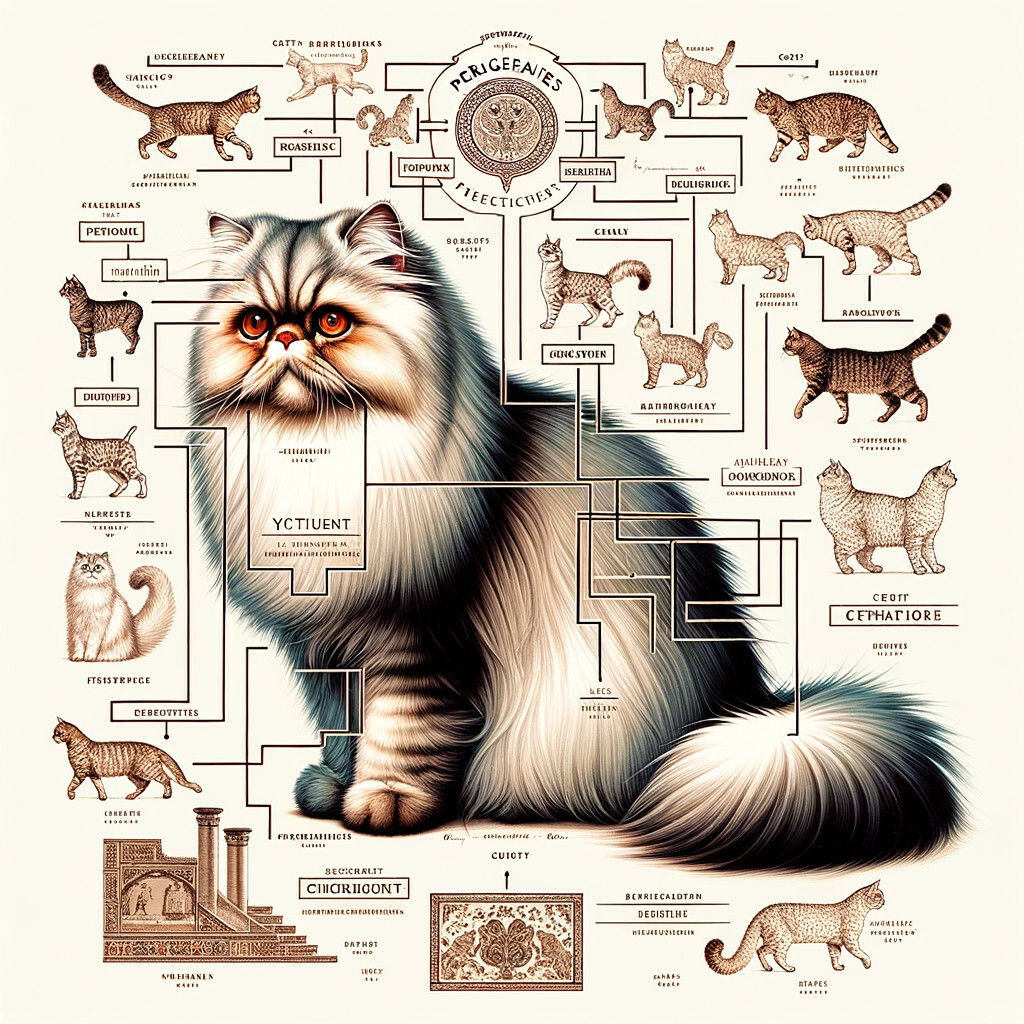
It’s this very facial structure that has led to some health concerns within the breed, such as brachycephalic obstructive airway syndrome (BOAS). Responsible breeders are working diligently to mitigate these issues, focusing on breeding cats with less extreme facial features while maintaining the breed’s characteristic beauty. Finding a responsible breeder is crucial when considering a Classic Persian, ensuring the kitten’s health and well-being. They should be able to provide detailed information about the kitten’s lineage and health testing results for parents and grandparents.
The temperament of the Classic Persian is generally known for its gentle and docile nature. They are often described as affectionate and calm, making them wonderful companions for both active and relaxed lifestyles. However, each cat has its own unique personality, and some Persians might be more playful or independent than others. Spending time with a potential kitten before committing to adoption is always a good idea to assess its personality and ensure it’s a good fit for your home and family. It’s important to remember that every cat is an individual, and their personalities can vary widely even within the same breed.
Himalayan: The Striking Colorpoint
The Himalayan, a striking variation of the Persian, is easily recognized by its distinctive colorpoint pattern. This pattern, where the points (ears, face, paws, and tail) are darker than the body, is similar to that of Siamese cats. However, unlike the sleek coat of a Siamese, the Himalayan boasts the same luscious, long fur as its Persian counterpart.
The breeding history of the Himalayan is fascinating. They are the result of a cross between a Persian and a Siamese cat, combining the best features of both breeds. The result is a cat that retains the sweet temperament of the Persian but with the added visual appeal of the Siamese colorpoint. This combination has made the Himalayan a popular choice for cat lovers who appreciate both beauty and personality.
Grooming needs for Himalayans are the same as for Classic Persians: substantial. Their long, luxurious coats require regular brushing to prevent matting and tangles. This commitment to grooming is essential for maintaining their coat’s health and beauty. Neglecting grooming can lead to skin problems and discomfort for the cat. Regular baths and professional grooming may be necessary, depending on the individual cat’s coat and lifestyle.
Exotic Shorthair: The Low-Maintenance Persian
For those who adore the look of a Persian but are daunted by the extensive grooming requirements, the Exotic Shorthair presents a fantastic alternative. This breed shares the same facial features and sweet temperament as the Persian but boasts a shorter, denser coat.
This shorter coat significantly reduces grooming needs, making the Exotic Shorthair a more manageable choice for busy individuals or those with less time to dedicate to grooming. While regular brushing is still recommended, the task is considerably less demanding than that of its long-haired cousins. This makes the Exotic Shorthair a popular choice for people who want the charm of a Persian without the extensive grooming commitment.
Despite their shorter coat, Exotic Shorthairs retain the characteristic sweet and gentle nature of the Persian breed. They are generally known to be affectionate and playful, making them wonderful companions for families and individuals alike. Like all cats, however, individual personalities can vary, and it’s always advisable to spend time with a potential kitten before bringing it home. The same health considerations as with other Persians should also be taken into account when choosing a breeder.
Understanding Persian Health Concerns
As mentioned earlier, the distinctive facial features of many Persian cats have unfortunately led to certain health concerns. Brachycephalic Obstructive Airway Syndrome (BOAS) is a significant one. This condition affects the cat’s breathing due to the narrowed airways caused by the shortened muzzle. Symptoms can range from snoring and noisy breathing to more serious respiratory distress.
Polycystic kidney disease (PKD) is another health issue that can affect Persian cats. This genetic disorder causes cysts to form in the kidneys, eventually leading to kidney failure. Responsible breeders conduct genetic testing to screen for PKD and avoid breeding cats with this condition. Choosing a breeder who prioritizes health testing is crucial when selecting a Persian kitten to ensure the health and longevity of your future companion.
Hip dysplasia, a condition affecting the hip joints, is another potential concern in some Persian cats. This can lead to lameness and pain. Again, responsible breeding practices help minimize the risk of this condition. Regular veterinary check-ups are vital for early detection and management of any health problems, regardless of breed. Early intervention is key to managing these conditions and ensuring your cat enjoys a long and healthy life.
Finding a Responsible Breeder: Your Key to a Healthy Persian
Finding a reputable breeder is paramount when acquiring a Persian cat. A responsible breeder prioritizes the health and well-being of their cats above all else. They conduct thorough health testing on their breeding cats, screening for genetic conditions like PKD and hip dysplasia. They also ensure that their cats live in clean, comfortable environments, receiving proper nutrition and veterinary care.
A good breeder will be happy to answer your questions and provide you with detailed information about their cats’ lineage and health history. They will be knowledgeable about the breed and will be able to offer advice on caring for your new pet. They should be passionate about their cats and dedicated to preserving the breed’s health and temperament. Don’t hesitate to ask questions and thoroughly research any potential breeder before making a decision.
Avoid breeders who seem overly focused on profit or who are unwilling to provide information about their breeding practices. A responsible breeder will be transparent and open about their methods, prioritizing the health and welfare of their cats. Choosing a responsible breeder is an investment in the health and happiness of your future companion, ensuring a long and fulfilling relationship with your beloved Persian. It’s a commitment that goes beyond the initial purchase and extends throughout your cat’s life.
Living with a Persian: Embracing the Luxurious Lifestyle
Owning a Persian cat is a rewarding experience, but it comes with responsibilities. The long, luxurious coat requires regular grooming to prevent matting and tangles. Daily brushing is essential, and occasional professional grooming may be necessary. This commitment to grooming is crucial for maintaining the cat’s coat’s health and beauty.
Beyond grooming, Persians need a balanced diet and regular veterinary care. They are prone to certain health conditions, as discussed earlier, so regular check-ups are essential for early detection and treatment. Providing a stimulating environment with plenty of toys and climbing opportunities will keep your Persian happy and engaged. Mental stimulation is as important as physical care.
The Persian’s gentle and affectionate nature makes them wonderful companions. They are often described as calm and docile, but each cat has its own unique personality. Some may be more playful than others, while some might prefer quiet companionship. Spending time with your Persian, playing with them, and providing them with affection will strengthen your bond and enrich both your lives. It’s a relationship built on mutual respect and understanding. The rewards of this connection are immeasurable.