Japanese Bobtail Cat Breeds Information
The Unique Tail: Defining Characteristic and Variations
The Japanese Bobtail is instantly recognizable by its famously short, fluffy tail, which resembles a rabbit’s tail more than a typical feline’s. This isn’t a result of genetic defect, but rather a naturally occurring mutation.
It’s this distinctive tail that forms the cornerstone of the breed’s identity, and it comes in a fascinating array of shapes and sizes. Some bobtails have tails that are merely a stub, while others possess a longer, more plume-like tail that might curve or even kink.
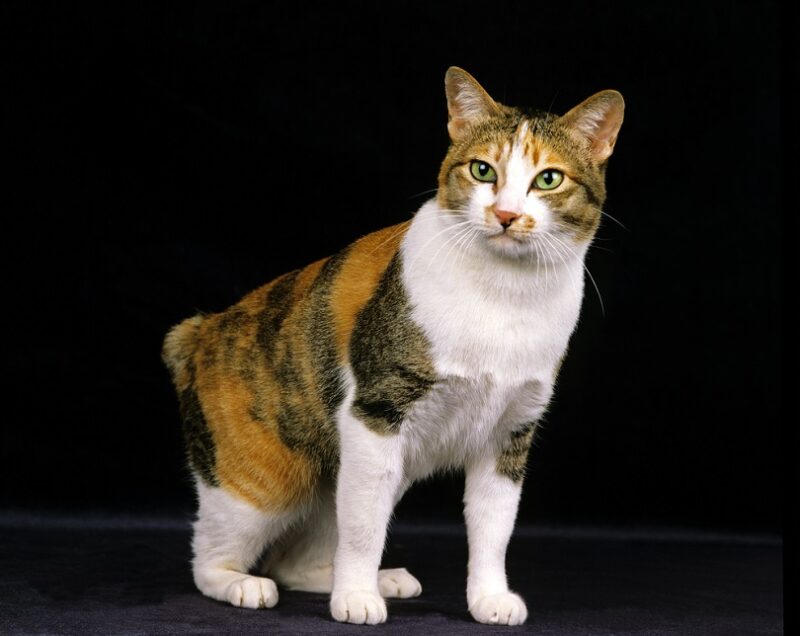
The length and shape of the tail aren’t the only variables; texture also plays a significant role. You’ll find some with tails that are densely furred, appearing almost pom-pom-like in their fluffiness, while others boast a slightly less dense, more wispy tail. This variety adds to the breed’s charm and makes each cat truly unique.
The genetic basis for the bobtail trait is quite intriguing. It’s caused by a dominant gene, meaning only one copy of the gene is needed for a cat to exhibit the shortened tail. This is different from many other cat breeds where specific traits require two copies of a gene. This dominant gene also explains why bobtailed kittens can appear even within litters where one parent doesn’t have a visibly shortened tail; the gene might be present but recessive in the other parent.
The precise genetic mechanisms behind the variations in tail length and shape within the Japanese Bobtail breed are still being studied. Scientists are working to understand the complex interplay of genes that contributes to this fascinating range of tail types, from the almost invisible stub to the longer, more expressive plume. This ongoing research promises to shed more light on the genetic underpinnings of this beloved breed.
Understanding the tail’s variations isn’t just about aesthetics; it helps in responsible breeding practices. Breeders use this knowledge to ensure healthy offspring and maintain the breed standard, avoiding any potential health problems associated with extreme tail lengths or shapes. Responsible breeding aims to preserve the breed’s unique characteristics while prioritizing the well-being of the cats. It’s a delicate balance, requiring careful selection and ongoing study.
Coat and Color Variations: A Spectrum of Beauty
Beyond the captivating tail, the Japanese Bobtail boasts a coat that is equally striking. The coat texture can range from short and sleek to a slightly longer, semi-longhair variety. The short-haired variety is more common, offering a low-maintenance option for cat owners.
The semi-longhair variety, however, presents a slightly more luxurious texture, with a longer, softer coat that often requires a bit more grooming. This longer coat adds to the cat’s overall elegance and charm. The difference in coat length isn’t just a matter of preference; it also influences the cat’s overall appearance and how it interacts with its environment.
The color variations within the Japanese Bobtail breed are incredibly diverse. You’ll find everything from classic tabby patterns in various shades of brown, black, and red to solid colors like white, black, and cream. Bicolor and tricolor patterns are also quite common, adding to the breed’s aesthetic appeal.
The rich variety of coat colors and patterns is a testament to the breed’s genetic diversity. It’s a testament to the natural variation within the breed and reflects the careful selective breeding practices of dedicated breeders. These practices aim to preserve the breed’s characteristic features while avoiding inbreeding and maintaining a healthy gene pool.
The coat color and pattern are not just visually appealing; they also contribute to the cat’s overall appearance and personality. Some colors might be more prone to sun sensitivity, while others might require different grooming routines. Understanding these nuances is crucial for responsible ownership.
Certain coat colors are more associated with particular regional variations of the breed. For instance, certain patterns might be more prevalent in specific parts of Japan, reflecting the historical development of the breed within different geographical areas. This regional variation adds another layer of complexity and fascination to the Japanese Bobtail. It’s a reminder that this breed’s history is deeply intertwined with its geographical origins.
Temperament and Personality: The Playful and Affectionate Companion
The Japanese Bobtail is renowned for its playful and affectionate nature. These cats are known for their intelligence and their engaging personalities. They’re not just cuddly companions; they’re also active and inquisitive, always eager to explore their surroundings.
Their playful nature extends beyond simple games; they often exhibit a curious and mischievous streak. They’re known for their ability to solve puzzles and their knack for finding creative ways to entertain themselves. This intelligence and playfulness make them engaging companions, always ready for a game or a cuddle.
Beyond their playful side, Japanese Bobtails are also known for their affectionate nature. They form strong bonds with their human companions and are often described as being exceptionally loyal and devoted. This loyalty manifests in their affectionate interactions, such as purring, rubbing against their owners, and seeking out attention.
The bond between a Japanese Bobtail and its owner is often described as particularly special. These cats are known for their ability to understand their owners’ emotions and respond accordingly. They seem to have an intuitive understanding of their human companions’ moods and needs.
This deep connection is a significant part of the breed’s appeal. It’s not just about having a pet; it’s about having a companion who understands and responds to your emotions. This makes them ideal companions for people who value a close bond with their pets.
Despite their affectionate nature, Japanese Bobtails are also independent and self-sufficient cats. They are not overly demanding of attention but will happily seek out affection when they desire it. This balance between independence and affection is a key part of their charm.
Health and Care: Ensuring a Long and Happy Life
Like all cat breeds, Japanese Bobtails are susceptible to certain health conditions. However, responsible breeding practices have significantly reduced the incidence of many genetic disorders. Still, it’s crucial to be aware of potential health issues to ensure your cat’s well-being.
One area to pay attention to is hip dysplasia, a condition that can affect the hip joints. Regular veterinary checkups and early detection are vital to manage this condition effectively. Responsible breeders screen their cats for hip dysplasia to minimize the risk of passing it on to their offspring.
Hypertrophic cardiomyopathy (HCM), a heart condition, is another potential concern. While not exclusive to the Japanese Bobtail, responsible breeders incorporate screening for HCM into their breeding programs to minimize the risk. Regular veterinary checkups, including heart examinations, are crucial for early detection and management.
Beyond genetic predispositions, routine care is essential for a healthy Japanese Bobtail. This includes regular vaccinations to protect against infectious diseases, parasite prevention, and dental care to maintain good oral hygiene. A balanced diet and regular exercise contribute to their overall health and well-being.
Grooming needs depend on the coat type. Short-haired Bobtails require minimal grooming, while semi-longhaired cats benefit from regular brushing to prevent matting and tangles. Regular nail trims and ear cleaning are also essential aspects of routine care.
Providing a stimulating environment is crucial for a happy and well-adjusted Japanese Bobtail. This includes providing plenty of toys, scratching posts, and climbing opportunities to satisfy their natural curiosity and playfulness. Enrichment activities help prevent boredom and encourage healthy behavior.
By understanding the potential health concerns and implementing preventative care measures, you can significantly increase the chances of your Japanese Bobtail enjoying a long and healthy life. Regular veterinary checkups, a balanced diet, and a stimulating environment are crucial components of responsible ownership.