British Shorthair Cat Breeds Profile
The Distinctive Look: Beyond the Plush Coat
The British Shorthair’s charm lies not just in its famously dense, plush coat, but in the overall package. It’s a cat of substance, a sturdy feline with a round, almost teddy bear-like face.
That iconic coat comes in a breathtaking array of colours and patterns, from the classic blue (a deep, silvery grey) to the striking lilac, chocolate, and cream. There are also the captivating bicolours, tabbies, and tortoiseshells, each adding its own unique flair to the breed.
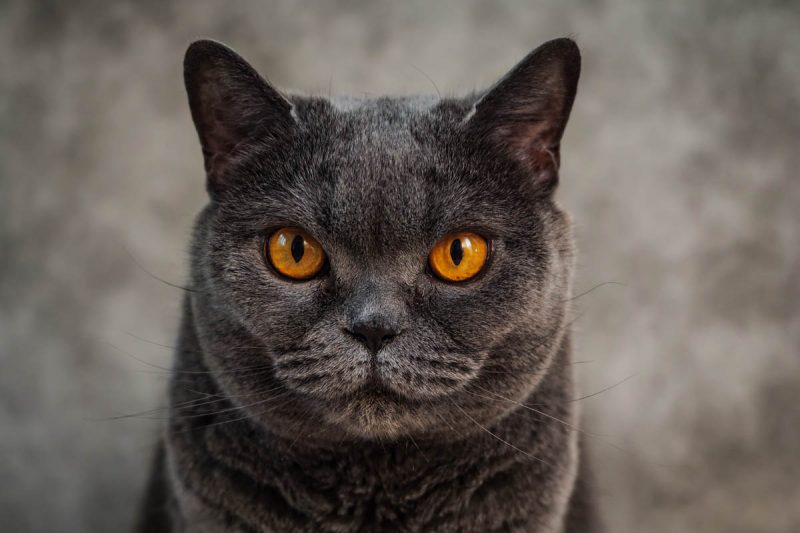
The coat itself is surprisingly dense and feels luxurious to the touch. It’s not excessively long, but it’s thick enough to provide excellent insulation, making them surprisingly well-suited to a variety of climates. This dense coat is one of the reasons they are so sought after, as it gives them a unique plush look.
Their broad, round heads are complemented by large, round eyes, which can range in colour depending on the coat. The eyes often match the coat color, creating a harmonious and visually appealing contrast. Think of it like a perfectly balanced painting; every element works together to create a stunning masterpiece.
Their sturdy build is another key characteristic. They aren’t particularly large cats, but they have a solid, muscular frame, giving them a sense of strength and quiet power. This isn’t a cat that will feel flimsy or delicate; they have a presence about them that speaks of robustness and resilience.
Their short, powerful legs and broad chest add to their overall robust appearance. They’re built for comfort and perhaps a little bit of playful mischief. The overall impression is one of a well-balanced, sturdy cat, capable of both gentle cuddles and energetic play. They’re truly a cat for all seasons, both in terms of their temperament and their physical build. The breed standard for British Shorthairs emphasizes this balance, ensuring that each cat embodies the essence of the breed.
Temperament and Personality: The Gentle Giant
Contrary to their sometimes imposing appearance, British Shorthairs are known for their gentle and affectionate personalities. They aren’t the lap cats who demand constant attention, but they are undeniably loving and loyal companions.
They have a reputation for being calm and laid-back, making them ideal companions for individuals of all ages and lifestyles. They don’t tend towards excessive vocalizations, preferring to communicate through subtle body language rather than loud meows.
They’re known for their independent nature, which shouldn’t be mistaken for aloofness. While they enjoy their alone time, they are also capable of forming strong bonds with their human companions. This independence makes them relatively low-maintenance pets, perfect for those who value their personal space.
Their playful nature often emerges in bursts of energy. They might suddenly decide to chase a toy across the room, or engage in a playful pounce, before settling back down for a quiet nap. These bursts of activity are charming and never overwhelming.
They are generally good-natured and tolerant of other pets, especially if they are raised with them from a young age. This makes them suitable for multi-pet households, adding to their appeal as family-friendly companions. It’s not uncommon to see a British Shorthair happily coexisting with dogs, other cats, or even smaller animals.
However, it’s important to remember that each cat has its own unique personality. While the breed is generally known for its calm demeanor, individual cats may exhibit different levels of sociability and activity. Socialization from a young age is crucial in shaping their temperament and ensuring they develop into well-adjusted adults. Early exposure to different sights, sounds, and interactions will help them become confident and adaptable companions. Early training and positive reinforcement can also go a long way in shaping their behavior.
Care and Health: A Relatively Low-Maintenance Breed
British Shorthairs are relatively low-maintenance cats, making them a good choice for busy individuals or families. Their thick, plush coat requires regular grooming, but not to the extent of some long-haired breeds.
Weekly brushing is usually sufficient to prevent matting and keep their coat looking its best. During shedding seasons, more frequent brushing might be necessary. This regular grooming not only keeps their coat healthy but also strengthens the bond between you and your feline companion. It’s a time for interaction and affection, further solidifying your connection.
Their diet should consist of high-quality cat food, formulated to meet their nutritional needs. Consult your veterinarian to determine the best food for your cat, considering factors like age, activity level, and any underlying health conditions. Providing fresh water at all times is also crucial for their hydration and overall health.
Regular veterinary checkups are essential for preventing health problems and catching any potential issues early. British Shorthairs are generally a healthy breed, but like all cats, they are susceptible to certain genetic conditions. Your veterinarian can advise you on preventative measures and screen for any potential concerns.
While generally healthy, some potential health issues to be aware of include hypertrophic cardiomyopathy (HCM), a heart condition, and polycystic kidney disease (PKD). Reputable breeders screen their cats for these conditions to minimize the risk of passing them on to their offspring. Choosing a kitten from a responsible breeder significantly reduces the chances of inheriting these genetic predispositions.
Choosing a British Shorthair: Finding Your Perfect Companion
Choosing a British Shorthair kitten should be a well-considered decision. Researching reputable breeders is paramount to ensuring you acquire a healthy and well-socialized kitten. Don’t hesitate to visit potential breeders and meet their cats in person.
A responsible breeder will prioritize the health and well-being of their cats, conducting genetic testing and providing proper care. They should be knowledgeable about the breed and willing to answer your questions honestly and thoroughly. They should also be prepared to provide information on the kitten’s lineage and any potential health concerns.
Look for kittens that are playful, curious, and have a healthy appearance. Their coat should be shiny and clean, and their eyes bright and alert. Avoid kittens that appear lethargic, withdrawn, or have any visible health problems. A healthy kitten is an active kitten, full of energy and curiosity.
Consider your lifestyle and living situation when choosing a kitten. Are you able to provide the necessary care and attention? Do you have the time for regular grooming and playtime? A well-adjusted British Shorthair thrives in a loving and stimulating environment, so ensure you can provide that.
Adopting an adult British Shorthair from a rescue organization is another option. Rescued cats often have wonderful personalities and can make loving companions. However, it is important to be aware that their past history might be unknown, and they may need extra time to adjust to a new home. Be prepared to offer patience, understanding, and a safe, comforting space for your new feline friend. The reward of giving a deserving cat a loving home is immeasurable.
Ultimately, the decision of choosing a British Shorthair is a personal one. However, careful consideration of the breed’s characteristics, your lifestyle, and a commitment to responsible ownership will ensure a happy and fulfilling companionship for years to come. The bond you forge with your British Shorthair will be a testament to the beauty and loyalty of this remarkable breed.