Burmese Cat Breeds Details
The Classic Burmese: A Rich History and Striking Appearance
The Burmese cat, as we know it today, boasts a captivating history intertwined with mystery and captivating beauty. Its origins are often debated, with several compelling theories swirling around its ancestry.
One popular theory traces the breed back to a single female cat, Wong Mau, imported to the United States in the 1930s. This beautiful, sable-colored cat is considered the foundation of the modern Burmese breed in America. Her unique coloring and striking build captivated breeders, and her lineage formed the basis for many of the Burmese cats we see today.
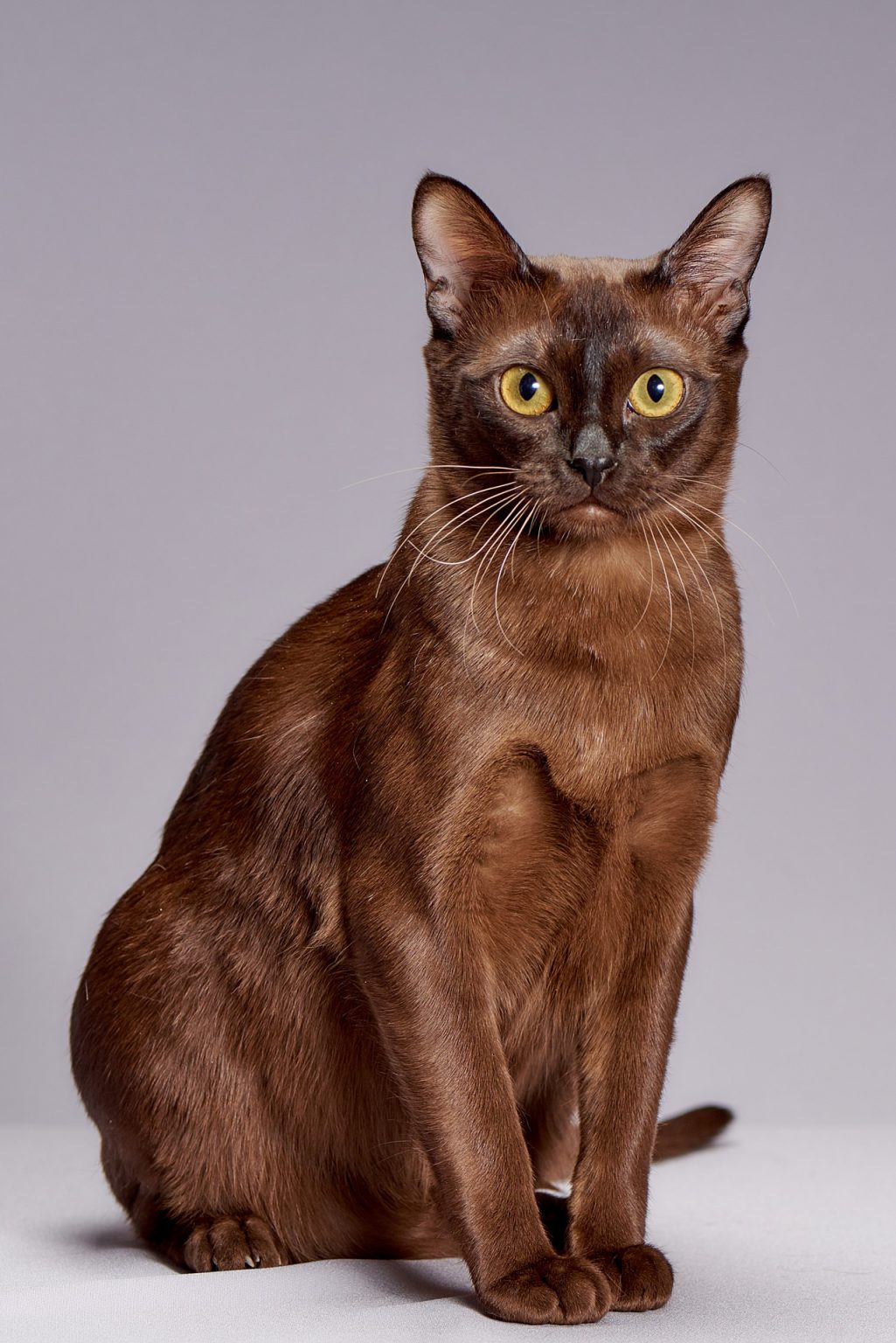
However, the story doesn’t end there. Some believe Wong Mau’s lineage might have included Siamese and other breeds, contributing to the Burmese’s distinctive features. This genetic mix is thought to have resulted in the cat’s rich, mahogany-like coat, its vibrant, expressive eyes, and its surprisingly muscular build. The debate continues, adding to the allure and intrigue surrounding this captivating breed.
The Burmese’s coat is a significant part of its charm, a luxurious, short, and glossy coat that feels incredibly soft to the touch. The color variations are also a significant point of interest, ranging from the classic sable to more unusual shades like chocolate, blue, and platinum. Each variation possesses a unique allure, showcasing the breed’s remarkable genetic diversity.
Beyond the coat’s texture and color, the Burmese’s physique is another key element contributing to its beauty. These cats are medium-sized, with a sturdy, muscular build that reflects their energetic and playful nature. Their round heads, large expressive eyes, and short, thick tails complete the picture, creating a feline that is both elegant and robust.
Temperament and Personality: The Affectionate and Playful Burmese
The Burmese cat is renowned not just for its striking physical attributes but also for its captivating personality. These cats are known for their affectionate and playful nature, making them wonderful companions for individuals and families alike. They are often described as being exceptionally social and engaging, always eager to participate in family activities.
Their intelligence is another hallmark of the breed. Burmese cats are quick learners, readily mastering tricks and games. This intelligence, combined with their playful nature, makes them incredibly entertaining pets. Training them can be a rewarding experience, strengthening the bond between cat and owner.
However, their affectionate nature extends beyond just playful interactions. Burmese cats are known for their devotion and loyalty to their human companions. They often form strong bonds with their owners, seeking out affection and companionship. This deep connection makes them ideal pets for those seeking a close, loving relationship with their feline friend. Their desire for interaction makes them less likely to be content simply lounging alone.
One notable aspect of their personality is their vocal nature. Burmese cats are known for their distinctive "meow," which is often described as being more of a chirping or chattering sound. This vocalization is not necessarily a sign of distress; rather, it’s a way for them to communicate their needs and desires. Understanding their vocalizations is key to building a strong relationship with your Burmese cat.
Their playful energy, however, doesn’t mean they’re hyperactive. While they enjoy active play sessions, they also appreciate quiet moments of cuddling and affection. This balance makes them adaptable companions, fitting into various lifestyles and living situations. They are equally happy engaging in energetic games or snuggling up on the couch with their human companions.
Burmese Cat Variations and Color Points: A Diverse Breed
While the classic sable Burmese is undeniably iconic, the breed encompasses a diverse range of color variations. This diversity adds to the breed’s appeal, offering cat lovers a wider selection of stunning coat colors and patterns.
Chocolate Burmese cats, for example, possess a rich, deep brown coat that shimmers beautifully in the light. This rich color complements their golden eyes, creating a striking and elegant appearance. The chocolate Burmese embodies the same affectionate and playful personality as its sable counterpart, making it a wonderful choice for cat lovers seeking a unique and charming companion.
Then there are the blue Burmese cats, with their captivating silvery-blue coats. This color variation showcases a different aspect of the breed’s beauty, offering a softer, more ethereal look. The blue Burmese remains as engaging and intelligent as other variations, maintaining the breed’s characteristic playful and affectionate nature.
Platinum Burmese cats stand out with their striking, almost white coat, often described as having a silvery-lilac hue. This rare variation adds an element of uniqueness and sophistication to the breed. Despite their unique coloration, they retain the same loving and playful personality that defines the Burmese breed. Their lighter coat allows their bright eyes to stand out even more.
The various color points within each variation further expand the breed’s visual diversity. These subtle variations in color intensity across different body parts add depth and complexity to the coat, creating a unique aesthetic for each individual cat. Understanding these variations helps to appreciate the full spectrum of beauty within the Burmese cat breed. It’s a testament to the breed’s genetic richness and the ongoing efforts of breeders to preserve and enhance its unique characteristics.
Health Considerations and Lifespan: Caring for Your Burmese Companion
Responsible pet ownership involves understanding the potential health concerns associated with a particular breed. Burmese cats are generally healthy, but like all breeds, they are prone to certain genetic predispositions.
One common concern is progressive retinal atrophy (PRA), a degenerative eye disease that can lead to blindness. Regular veterinary check-ups are essential for early detection and management of this condition. Responsible breeders screen their cats for PRA to minimize the risk of passing this condition to their offspring.
Another potential health issue is hypertrophic cardiomyopathy (HCM), a heart condition that can affect cats of various breeds. HCM can lead to heart failure, so regular veterinary examinations are crucial for early diagnosis and treatment. Again, responsible breeders conduct screenings to reduce the likelihood of this condition in their kittens.
Understanding these potential health concerns allows owners to proactively monitor their Burmese cat’s health and provide appropriate care. Early detection and treatment can significantly improve the quality of life for a cat diagnosed with PRA or HCM. Regular veterinary visits are a critical component of responsible cat ownership, ensuring the well-being of your furry friend.
Despite these potential health concerns, Burmese cats generally enjoy a relatively long lifespan, typically living for 12 to 16 years. With proper care, including a healthy diet, regular exercise, and routine veterinary check-ups, your Burmese companion can live a long and fulfilling life. Providing a stimulating and enriching environment contributes significantly to their overall health and well-being. A happy and healthy Burmese cat is a testament to responsible ownership and a rewarding experience for the owner. Their affectionate nature and playful spirit make them truly cherished members of the family.