Savannah Cat Breeds Information
Understanding the Savannah Cat’s Unique Heritage
The Savannah cat isn’t your average feline. It’s a captivating blend of domestic cat and serval, a wild African cat known for its striking spots and elegant build.
This unique lineage is what gives the Savannah its mesmerizing appearance and somewhat wild personality. Their spotted coats, large ears, and long legs are all a testament to their serval ancestry.
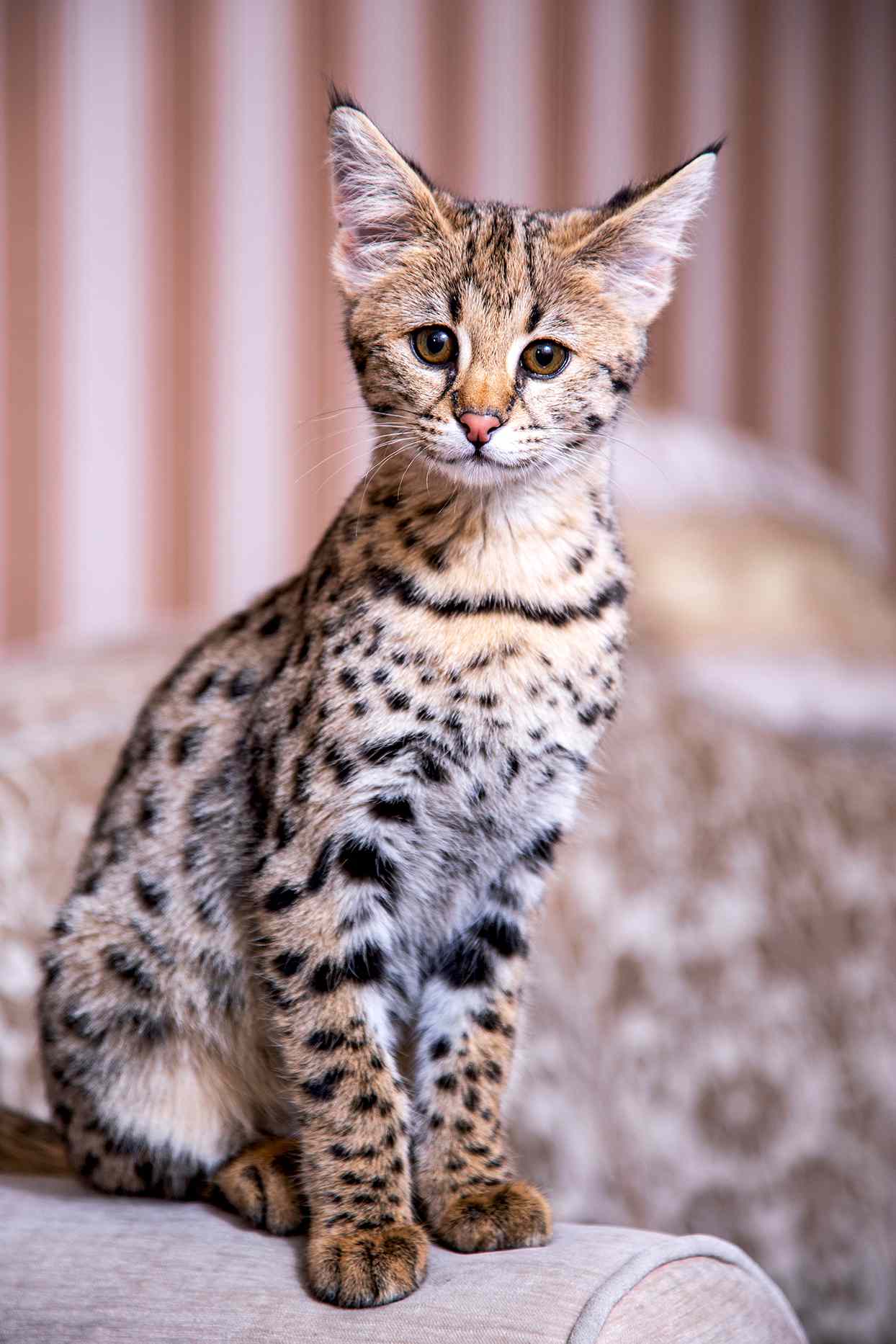
The result is a cat that’s both incredibly beautiful and surprisingly playful. They’re known for their active nature and their dog-like loyalty to their human companions.
But their exotic heritage also means they require a specific kind of care and attention. Understanding their background is crucial to providing them with a happy and healthy life.
The first Savannah cats were created through careful breeding programs, aiming to combine the best traits of both breeds. This wasn’t a simple task; it required patience, expertise, and a deep understanding of feline genetics.
The goal was to produce a cat that retained the striking features of the serval while maintaining a temperament suitable for domestic life. The process involved multiple generations of breeding, carefully selecting cats with the desired characteristics.
Early Savannah cats often retained more of the serval’s wild instincts, making them less suitable for all homes. However, through selective breeding, breeders have successfully created Savannah cats that are more adaptable to domestic life.
This ongoing process of refinement is a testament to the dedication of breeders who strive to improve the breed while preserving its unique qualities. The result is a cat that is both beautiful and surprisingly well-adjusted to life as a cherished pet.
The ongoing evolution of the Savannah cat is a fascinating story in itself, highlighting the complexity and artistry of selective breeding. It’s a testament to the dedication of breeders who strive to balance the wild beauty of the serval with the affectionate nature of a domestic cat.
The Different Generations of Savannah Cats
Savannah cats are categorized into generations, denoted by F1, F2, F3, and so on, with F1 representing the first generation of offspring from a serval and a domestic cat. This generation typically exhibits the most pronounced serval characteristics, including a larger size and a more independent nature.
As you move down the generations, the Savannah cat becomes increasingly domesticated. F2 Savannahs, for example, are the offspring of an F1 Savannah and a domestic cat, resulting in a less wild appearance and temperament.
Each subsequent generation shows a gradual decrease in serval traits and an increase in domestic cat characteristics. F3 and beyond are often considered to be more easily integrated into typical household environments.
This generational difference is crucial for potential owners to consider when choosing a Savannah cat. An F1 Savannah requires a more experienced owner who can understand and manage their potentially more independent and active nature.
An F2 or F3 Savannah, on the other hand, might be a more suitable choice for first-time Savannah owners. They are generally more adaptable and easier to train.
However, even later generations retain some of the unique characteristics of their wild ancestors. They are still highly intelligent, playful, and often exhibit a strong bond with their human companions.
The level of activity also varies between generations, with earlier generations exhibiting a higher energy level. This is something to consider when assessing your lifestyle and ability to provide sufficient enrichment for your cat.
Understanding the generational differences is vital for responsible Savannah cat ownership. It ensures that the cat’s needs are met and that the bond between owner and pet is strong and fulfilling.
Choosing the right generation depends on your experience with cats, your lifestyle, and your ability to provide the necessary care and enrichment. It’s a decision that should be made carefully and with a thorough understanding of the breed’s characteristics.
Temperament and Personality: Living with a Savannah Cat
Savannah cats are often described as having a unique personality, a blend of wild grace and devoted companionship. They’re known for their intelligence, their playful nature, and their surprising affection.
Unlike some domestic cats, Savannahs are often highly interactive and social creatures. They enjoy playing games, exploring their surroundings, and interacting with their human companions.
This playful interaction can extend to a variety of activities, from fetching toys to engaging in elaborate games of chase. They are often described as having a dog-like devotion and loyalty to their owners.
However, their active nature means they require a significant amount of stimulation and exercise. A bored Savannah cat can become destructive or unhappy.
Providing ample opportunities for play, exploration, and interaction is crucial for their well-being. This might involve interactive toys, climbing structures, and plenty of space to roam.
Their intelligence also means they are relatively easy to train, although patience and consistency are key. They respond well to positive reinforcement and can learn a variety of tricks.
Despite their wild heritage, Savannah cats can form incredibly strong bonds with their owners. They often exhibit a surprising level of affection and loyalty, often seeking out human interaction.
This affectionate nature, coupled with their intelligence and playful demeanor, makes them truly unique and rewarding companions. However, it’s crucial to remember that each Savannah cat is an individual, and their personality can vary.
Understanding their individual needs and preferences is essential for fostering a strong and positive relationship. This involves observing their behavior, responding to their cues, and providing a stimulating and enriching environment.
Care and Health Considerations for Savannah Cats
Owning a Savannah cat is a rewarding experience, but it comes with responsibilities. Their unique heritage requires a specific approach to their care and health.
Diet plays a crucial role in their well-being. High-quality, protein-rich food is essential to support their active lifestyle and maintain their health. Consult with your veterinarian to determine the best diet for your Savannah cat.
Regular veterinary check-ups are also vital for early detection and treatment of any potential health issues. Savannah cats, like all breeds, can be susceptible to certain health problems.
Grooming needs are relatively straightforward. Their short coat requires minimal grooming, typically a weekly brushing to remove loose hair and prevent matting. Regular nail trimming is also important.
Providing a stimulating environment is key to their happiness. Savannah cats are highly intelligent and active, requiring plenty of space to play and explore. Climbing structures, interactive toys, and a safe outdoor space (if possible) are all beneficial.
Environmental enrichment is crucial for their mental and physical health. This can involve puzzle feeders, interactive toys, and opportunities for exploration. A bored Savannah cat is likely to become destructive or unhappy.
Their active nature also means they require regular exercise. Play sessions, interactive games, and opportunities for exploration are all important aspects of their care. A tired Savannah cat is a happy Savannah cat.
It’s crucial to understand that Savannah cats, particularly the earlier generations, might have a more pronounced prey drive. This requires careful consideration regarding the safety of smaller pets in the household.
Responsible Savannah cat ownership involves providing a safe, stimulating, and enriching environment, ensuring their physical and mental needs are met. This commitment ensures a long and happy life for your feline companion. Remember that owning a Savannah cat is a commitment, not a trend.