Norwegian Forest Cat Breeds Guide
Understanding the Breed Standard
The Norwegian Forest Cat, often affectionately called the "skogkatt" (forest cat) in its native Norway, isn’t just a pretty face. It’s a breed steeped in history, resilience, and a unique character that captivates cat lovers worldwide.
Understanding the breed standard is crucial for anyone considering welcoming a Norwegian Forest Cat into their home. It’s not just about the long, flowing coat; it’s about the overall type, temperament, and health considerations.
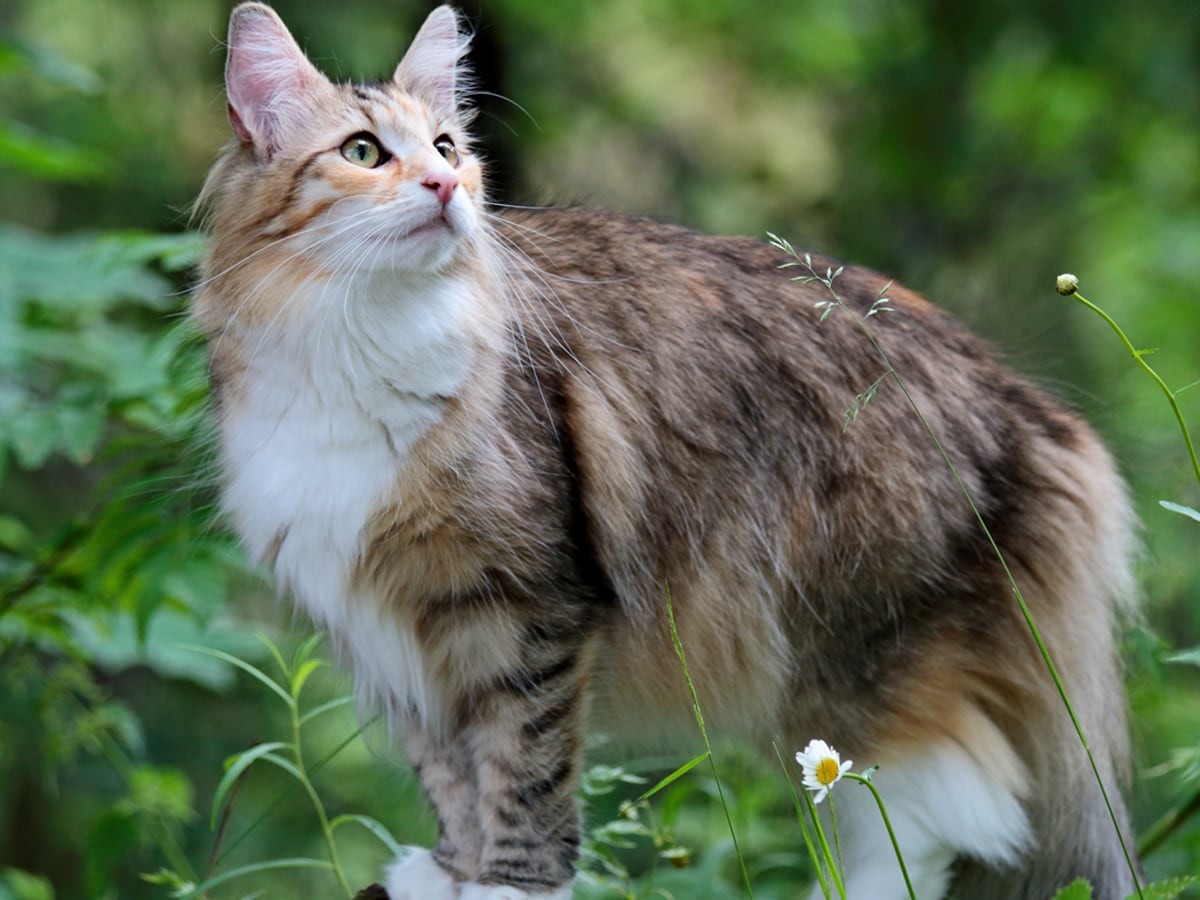
The breed standard outlines the ideal physical characteristics, ensuring the preservation of the breed’s distinctive features. These features, honed over centuries of natural selection in the harsh Norwegian climate, contribute to the cat’s remarkable hardiness and adaptability.
Think of the semi-longhaired coat, thick enough to withstand freezing temperatures. This isn’t just fluff; it’s a functional adaptation, a testament to the cat’s rugged origins. The dense undercoat provides insulation, while the longer guard hairs offer protection from the elements.
Beyond the coat, the body type is equally important. The Norwegian Forest Cat is a large and powerful breed, possessing a strong, muscular build. Their large paws, tufted ears, and bushy tail all contribute to their distinctive appearance, echoing their wild ancestry.
Breed standards aren’t just about aesthetics; they also touch upon temperament. The Norwegian Forest Cat is known for its gentle, playful, and intelligent nature. They are often described as dog-like in their loyalty and affection towards their human companions.
Responsible breeders adhere to these standards, carefully selecting breeding pairs to maintain the breed’s health and integrity. This ensures that kittens born are true representatives of the breed, carrying the desirable traits that define the Norwegian Forest Cat.
Understanding the breed standard helps prospective owners manage expectations. It allows them to recognize the unique characteristics that make the Norwegian Forest Cat so special and to appreciate the commitment involved in caring for such a magnificent animal. It also aids in identifying reputable breeders who prioritize the health and well-being of their cats.
The breed standard serves as a blueprint for preserving the legacy of the Norwegian Forest Cat, ensuring that future generations retain the remarkable qualities that have made this breed so beloved. It’s a guide for both breeders and owners, a testament to the beauty and resilience of this truly unique feline.
Coat Care and Grooming Needs
The Norwegian Forest Cat’s magnificent coat is arguably its most striking feature. That luxurious fur, however, comes with its own set of grooming requirements. Neglecting these needs can lead to matting, skin problems, and an overall unhappy cat.
Regular brushing is paramount. The double coat, with its dense undercoat and longer guard hairs, is prone to tangles and mats, especially during shedding seasons. Daily brushing, or at least several times a week, is recommended to prevent these issues.
The type of brush you use matters. A slicker brush is excellent for removing loose undercoat, while a wide-toothed comb can help detangle mats. A de-shedding tool can also be helpful during periods of heavy shedding. Experiment to find what your cat prefers.
Beyond brushing, regular bathing is also important, though not as frequent as brushing. The frequency depends on the cat’s lifestyle and how often they get dirty. However, over-bathing can strip the coat of its natural oils, leading to dryness and irritation.
Finding a good quality cat shampoo formulated for long-haired breeds is crucial. Avoid human shampoos, as they can be too harsh for a cat’s sensitive skin. Always rinse thoroughly to prevent any residue from irritating the skin.
In addition to brushing and bathing, regular nail trimming is essential. Long nails can be uncomfortable for the cat and can even lead to injury. You’ll also want to check their ears regularly for any signs of infection, cleaning them gently as needed.
Dental care is another often overlooked aspect of feline hygiene. Regular brushing of their teeth can help prevent dental disease. Dental chews and treats can also help keep their teeth clean and healthy.
Paying attention to your cat’s coat and overall grooming needs isn’t just about aesthetics; it’s about their health and well-being. A well-groomed Norwegian Forest Cat is a happy and healthy cat. The time investment in grooming is a small price to pay for a bond with your feline companion.
Regular grooming sessions also provide an opportunity to bond with your cat. It’s a chance to check for any lumps, bumps, or other abnormalities that might indicate a health problem. Early detection can make all the difference in successful treatment.
Investing in high-quality grooming tools and learning proper grooming techniques will ensure your Norwegian Forest Cat maintains its magnificent coat and stays healthy and happy for years to come. Remember, a happy, well-groomed cat is a testament to a loving and responsible owner.
Health Considerations and Potential Problems
While Norwegian Forest Cats are generally healthy, like all breeds, they are susceptible to certain health issues. Understanding these potential problems is crucial for responsible ownership and ensures that you can provide the best possible care for your feline companion.
One common concern is hip dysplasia, a condition affecting the hip joints. It can manifest as lameness, stiffness, and pain. Regular veterinary checkups and responsible breeding practices can help minimize the risk.
Hypertrophic cardiomyopathy (HCM), a heart condition, is another potential issue. This affects the heart muscle, making it thicker and less efficient. Regular veterinary check-ups, including echocardiograms, are essential for early detection and management.
Genetic testing is becoming increasingly important in responsible breeding programs. Breeders can use genetic testing to screen for these and other hereditary conditions, helping to reduce the incidence of these health issues in future generations.
Beyond these specific conditions, it’s crucial to maintain regular veterinary check-ups for your Norwegian Forest Cat. This includes vaccinations, parasite prevention, and general health assessments. Early detection of any health problems significantly improves the chances of successful treatment.
A healthy diet is also essential. Choose a high-quality cat food formulated to meet the nutritional needs of a large, active breed. Avoid feeding table scraps, as these can upset their digestive system and lead to obesity.
Providing a stimulating environment is equally important for their overall well-being. This includes plenty of opportunities for play, climbing, and exploration. A bored cat is more prone to behavioral problems and can become overweight.
Responsible breeders play a vital role in maintaining the health of the breed. They prioritize the health and well-being of their breeding cats, conducting health screenings and avoiding breeding cats with known health problems. Choosing a reputable breeder is therefore a crucial step in acquiring a healthy Norwegian Forest Cat.
Understanding potential health issues and actively working to prevent them is a sign of responsible ownership. By providing your Norwegian Forest Cat with proper nutrition, a stimulating environment, and regular veterinary care, you can ensure a long and healthy life for your beloved companion.
Remember, the investment in their health is an investment in your relationship. A healthy cat is a happy cat, and a happy cat brings immeasurable joy to its human companions. This proactive approach to health care will ensure that you get to enjoy many years of companionship with your majestic Norwegian Forest Cat.
Finding a Reputable Breeder
Finding a responsible and reputable breeder is paramount when acquiring a Norwegian Forest Cat. It’s not just about getting a beautiful kitten; it’s about ensuring the health and well-being of the animal and supporting ethical breeding practices.
Research is key. Don’t just settle for the first breeder you find. Take your time, investigate several options, and ask plenty of questions. A good breeder will be happy to answer your questions thoroughly and openly.
A reputable breeder will prioritize the health and temperament of their cats. They will conduct health screenings on their breeding cats, and will be able to provide you with documentation of these screenings. They’ll also be knowledgeable about the breed standard and will be able to discuss the characteristics of their cats in detail.
They will be transparent about their breeding practices, and will not be afraid to discuss any potential health issues associated with the breed. They will also be able to provide you with information on the kitten’s parents and their lineage.
Avoid breeders who are primarily focused on profit. A responsible breeder will be more interested in finding the right homes for their kittens than in making a quick buck. They will ask you questions about your lifestyle and living situation to ensure that their kittens are placed in suitable environments.
A reputable breeder will allow you to meet the parents of the kittens, and will let you see the kittens in their home environment. This will give you a chance to assess the health and temperament of the kittens and their parents.
They will also provide you with information on the kitten’s health history, including vaccinations and deworming. They will be happy to answer any questions you have about the kitten’s care and will offer ongoing support after you bring your kitten home.
Choosing a reputable breeder is an investment in your future relationship with your cat. It’s about ensuring that you’re getting a healthy, well-adjusted kitten that will bring you years of joy and companionship. Don’t rush the process; take your time to find the right breeder for you.
Remember, a responsible breeder is a partner in your journey of cat ownership. They will be there to support you throughout your cat’s life, providing guidance and assistance when needed. Finding such a breeder is a crucial step in ensuring a happy and healthy life for your Norwegian Forest Cat.
The time and effort you invest in finding a reputable breeder will pay off in countless ways, ensuring a lifetime of companionship with your magnificent Norwegian Forest Cat. It’s a decision that will impact your feline friend’s well-being for years to come.